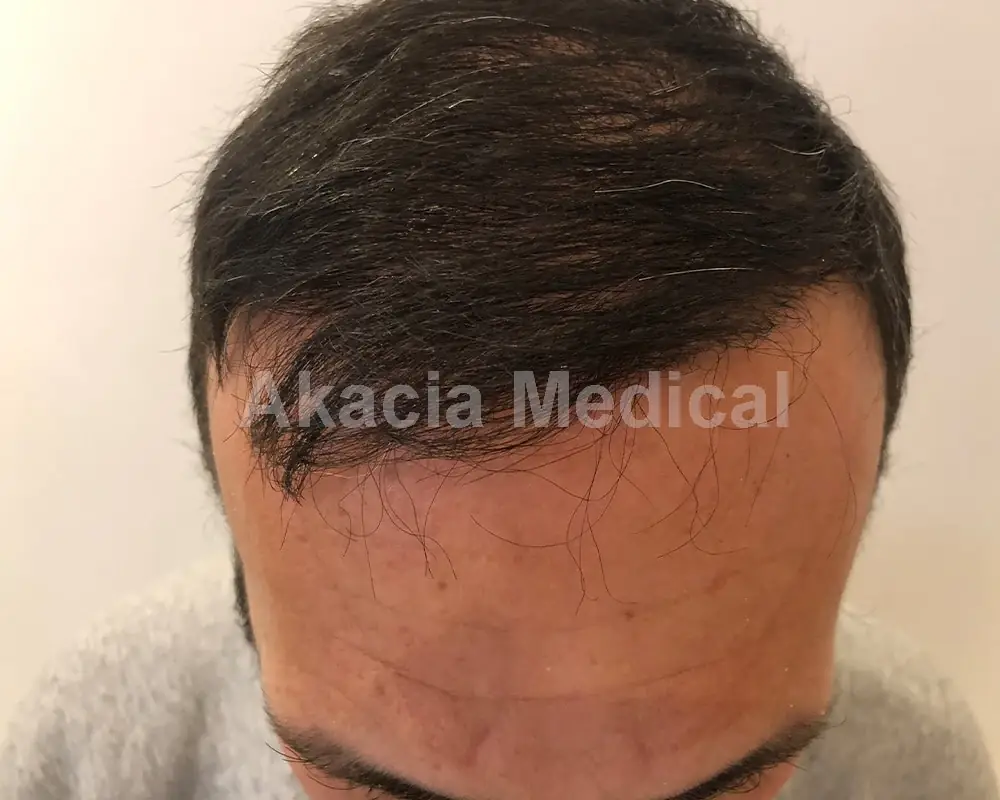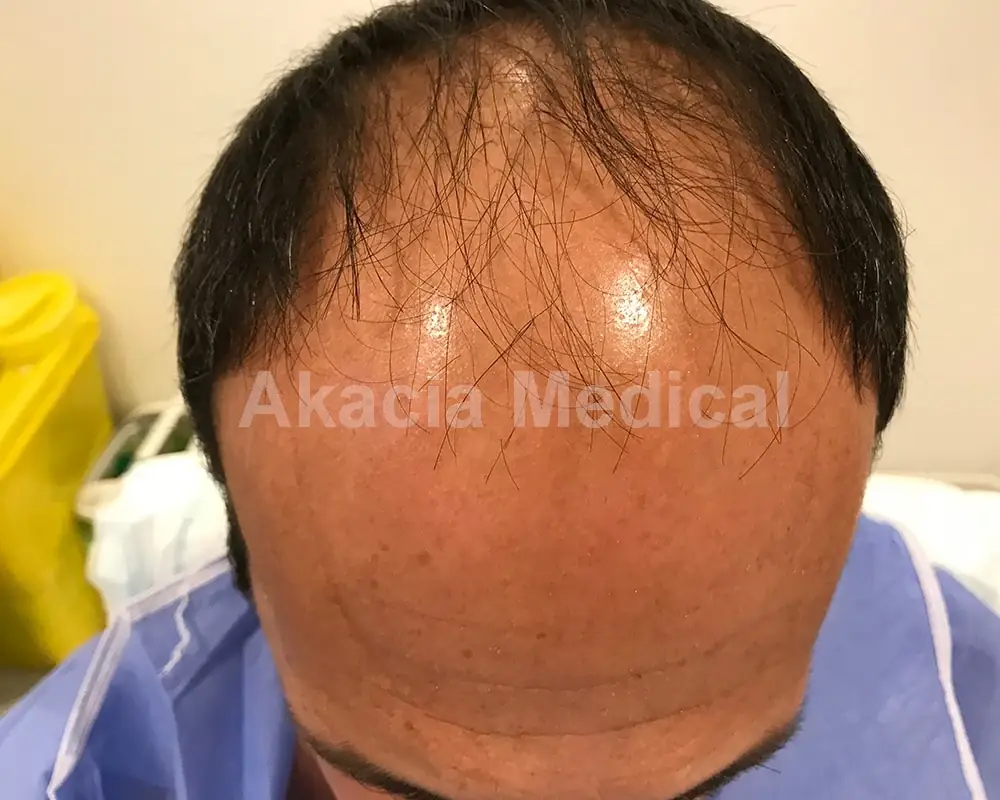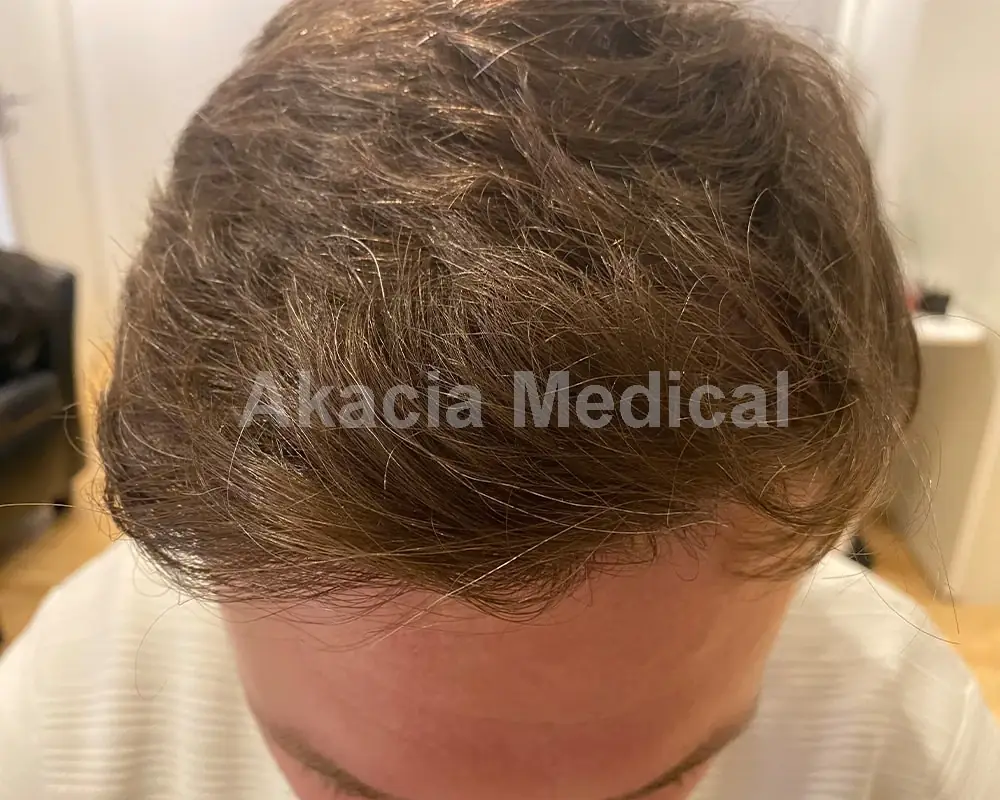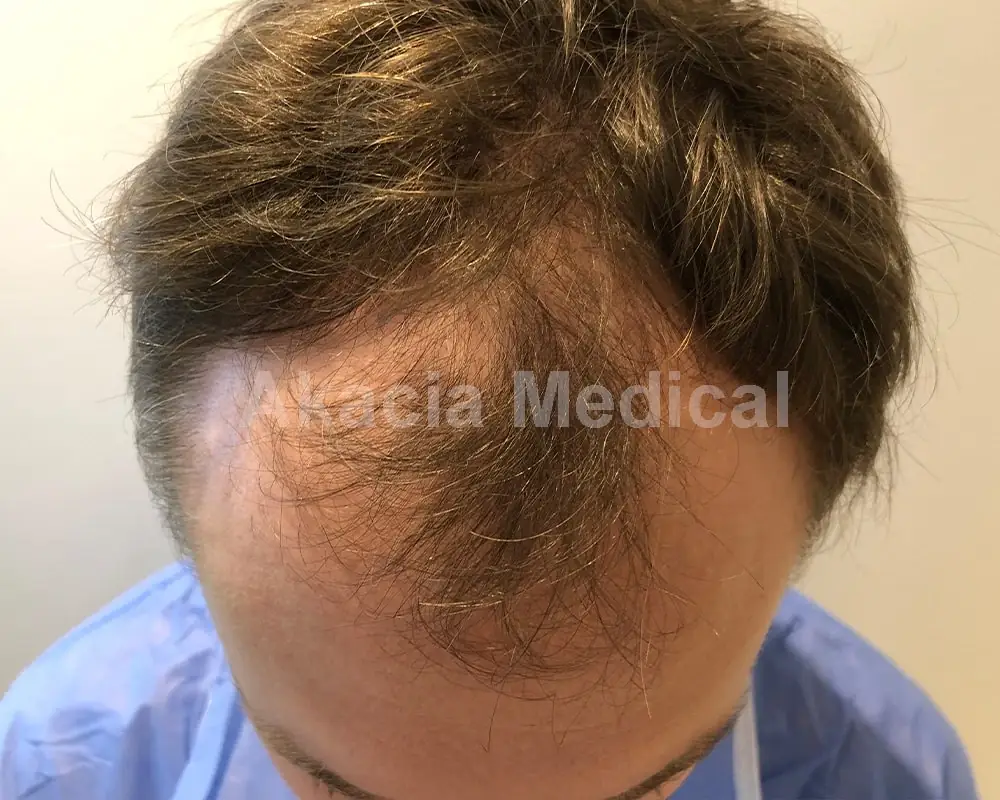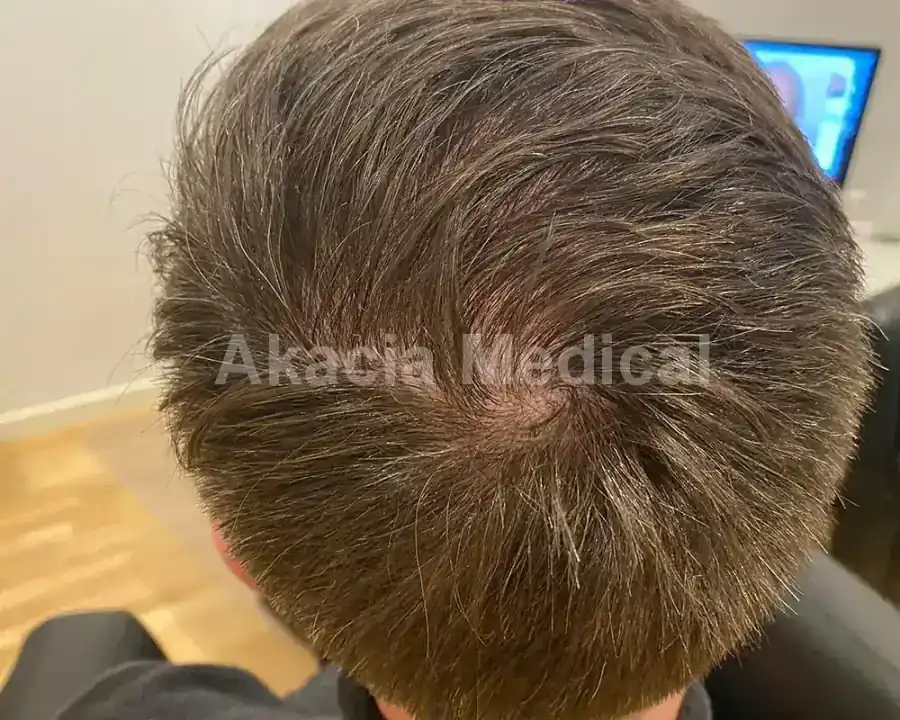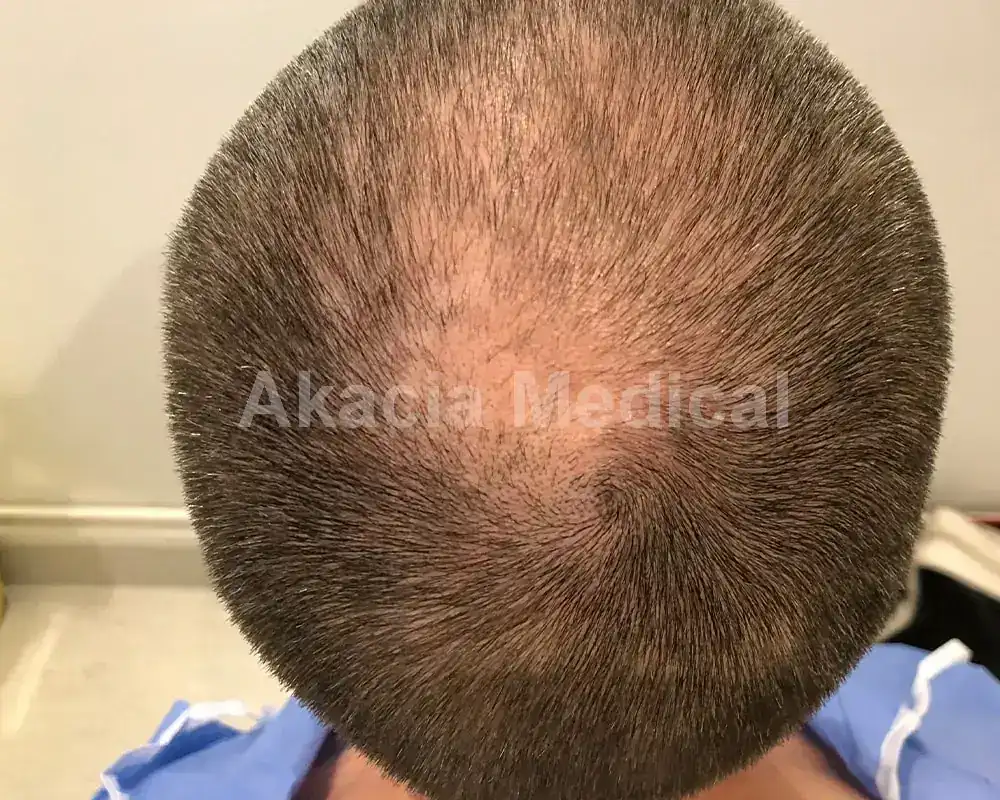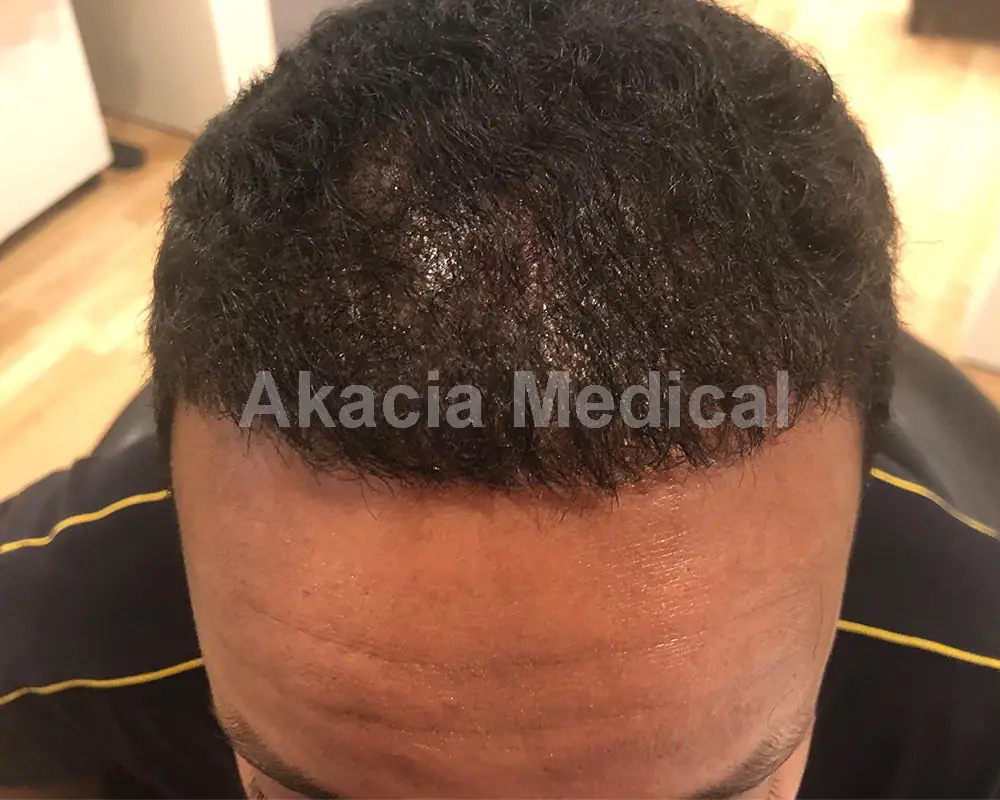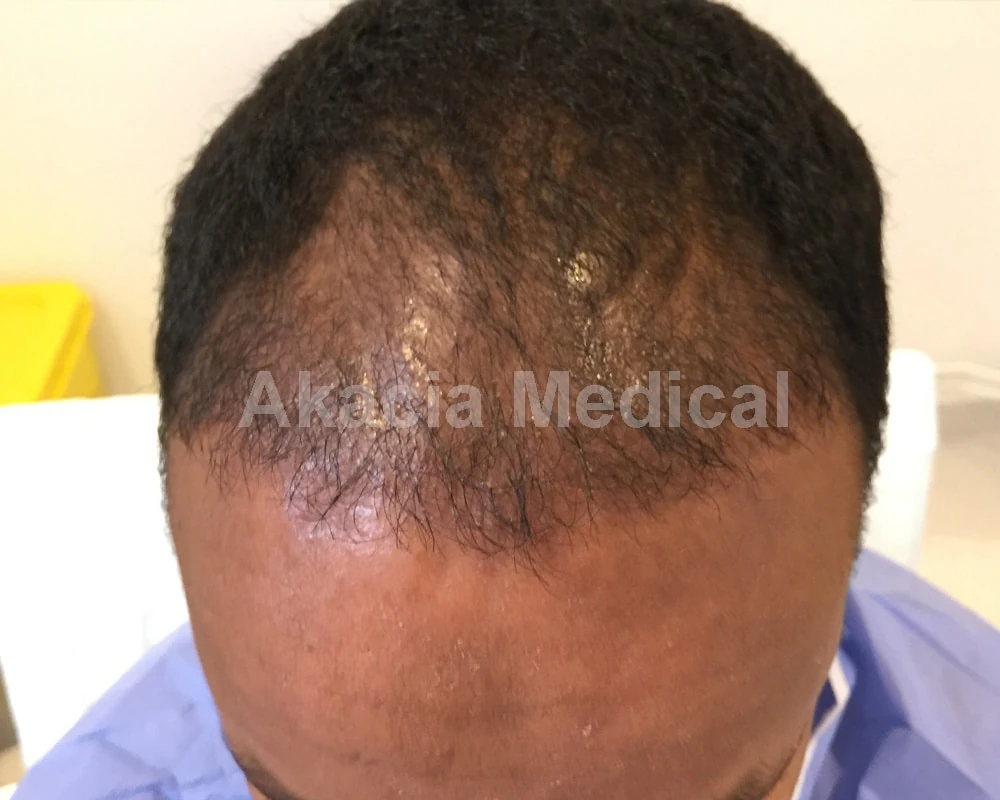

What you need to know about hair transplantation
- •Hair transplantation can provide long-lasting growth in areas with established thinning.
- •Method and approach are discussed at the consultation. We use FUE or DHI, depending on what suits you best.
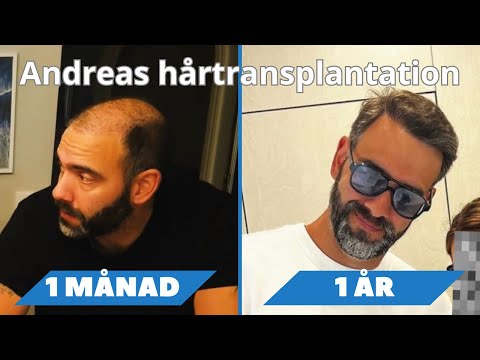
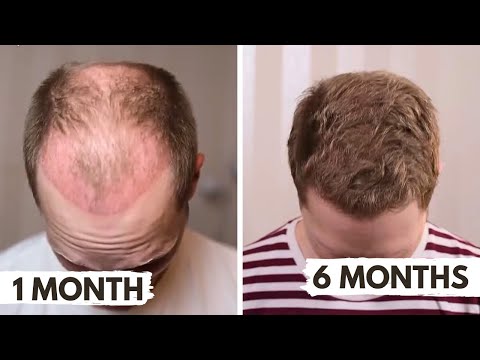
- •Visible changes are often seen after 3–6 months, with final results around 12 months.
- •Aftercare and follow-up are essential for a good result after hair transplantation.
- •Medical treatment with finasteride can protect remaining hair around the transplant in areas affected by hair loss.
Hair transplantation with medical follow-up
From assessment of hair loss to final results, the same medical team, clear plan and follow-up at the clinic in Stockholm.
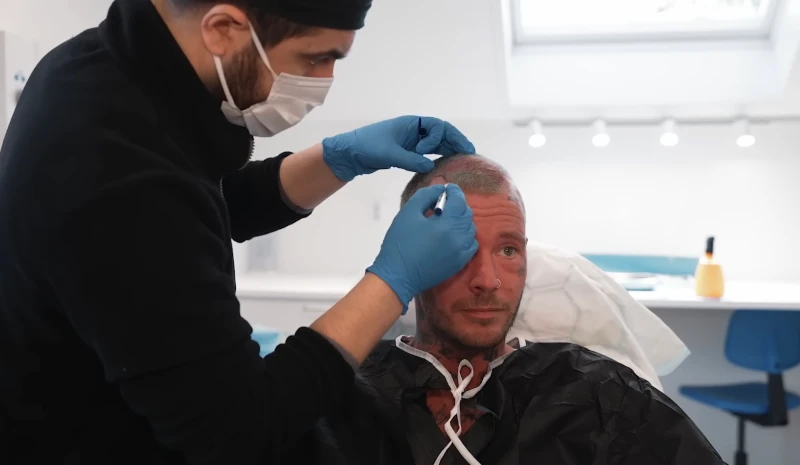
Medical expertise
Licensed doctors and specialists, more than 15,000 procedures since 2011, and a responsible physician who is a Full Member of the ISHRS.
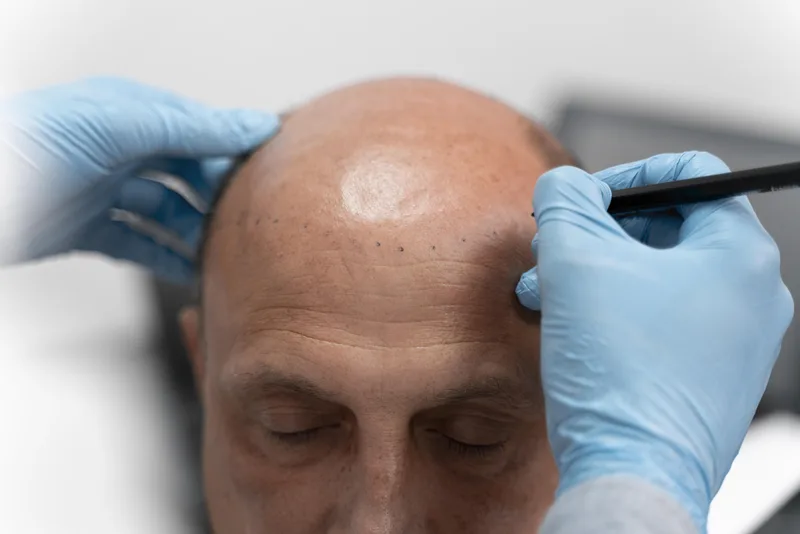
Natural result
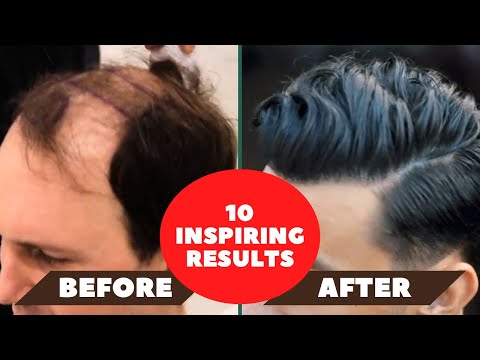
We plan hairline, angle and density according to your face and goals, so the result blends in with your own hair.

Precision in every step
FUE or DHI, the method is chosen during the consultation. Puncher 0.6–0.9 mm is adapted to hair type under local anesthesia.

Support before and after
Free consultation at the clinic in Stockholm, or digitally if you live elsewhere. Clear aftercare and follow-up.
Regain your hair with hair transplantation
At Akacia Medical in Stockholm we help you with male pattern hair loss, hereditary thinning or areas where follicles no longer recover. With FUE or DHI we move your own DHT-resistant follicles so the result blends into your natural hairline. Which method suits you is decided at the consultation.
Hair transplantation can provide long-lasting growth in areas with established thinning. A suitable donor area and a realistic long-term plan are essential for a balanced result.

Is hair transplant permanent?
Yes. The transplanted hair comes from DHT-resistant areas and continues to grow when aftercare is followed. In the case of male or hereditary hair loss, however, non-transplanted hair may continue to thin. Therefore, we plan both the transplant and possible medical treatment against continued hair loss.
Short answer
A hair transplant can provide long-lasting growth in areas with established thinning. Transplanted follicles usually retain the characteristics of the donor area, but the procedure does not stop continued hair loss around them.
What affects how the result lasts over time?
- The quality of the donor area, the hair follicles that are moved retain the properties from the neck and sides.
- Aftercare in the first critical days and weeks, the graft needs to be protected and cared for properly.
- Ongoing hair loss in non-transplanted hair, the transplant does not treat the underlying cause.
- Realistic planning, density and hairline are adapted to your donor area and goals.
Read more about risks and what is normal during healing.
Can a hair transplant fail?
Uneven density, wrong hairline or damaged donor area can often be linked to planning, technique or aftercare, not to "bad luck". Choose a clinic with clear medical responsibility and follow the instructions.
How to maintain your new hair
- Follow the washing and aftercare instructions the first time.
- Avoid friction, hard products and premature training or contact sports.
- Be patient through the growth phases, the final result is often judged around 12 months.
- If necessary: complementary treatment such as finasteride or PRP to slow down further thinning of existing hair.
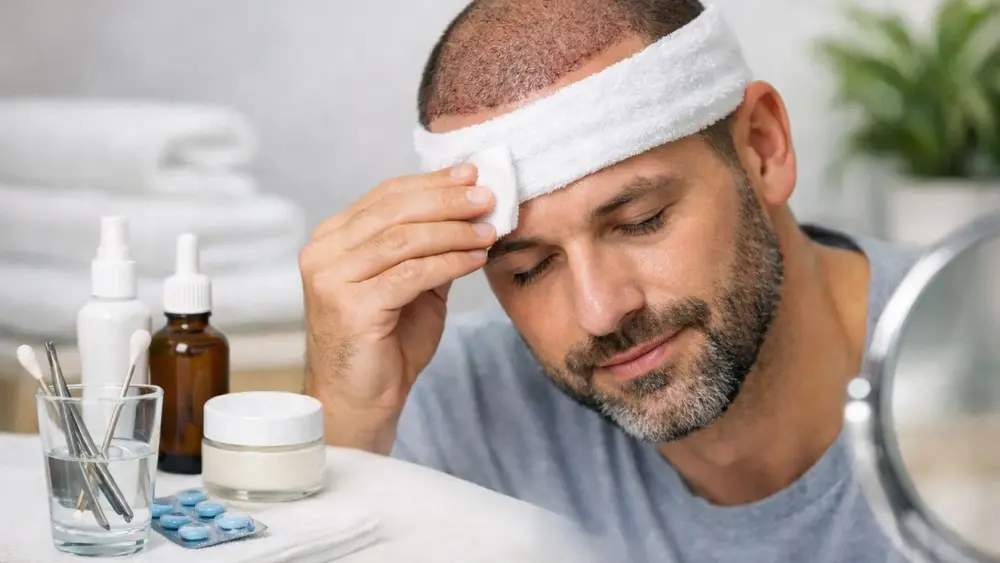
Practical guide: aftercare after hair transplantation · shampoo and laundry
Are there alternatives to hair transplantation?
Medical and non-surgical options can slow thinning or support remaining hair, but are not a substitute for transplantation when the follicles are already gone in an area.
- Finasteride, can slow hereditary hair loss in suitable patients.
- PRP treatment, supports hair quality and healing; we often recommend 6 treatments in connection with transplantation, at cost price.
- Hair loss, causes and treatment options
Is hair transplantation right for you?
A good candidate usually has:
- Adequate donor hair in the donor area
- Good general health
- Realistic expectations for density and results
- Stable or controlled hair loss
It is decided individually. A free consultation gives you a clear answer based on your conditions.