



Hair transplant aftercare

After your procedure, a calm routine matters: how you care for your scalp, how the first washes work, and when you can return to exercise and daily life—clear steps in one place, with practical advice for healing, sleep, sun protection and what to avoid during the first important weeks.

We’re with you after surgery: clear guidelines, a personal plan for the first weeks and quick contact if you feel unsure or have questions.

Aftercare after hair transplant

Why care after the procedure affects your final result

Proper aftercare after a hair transplant affects how the grafts heal and attach, and therefore how natural and even the result can become.

Good hygiene, protection from pressure and sun exposure, and patience through the growth phases are as important as the procedure itself. Following the plan reduces unnecessary irritation, infection risk and extra visits.

Planning and reassurance before hair transplant aftercare

Healing and recovery, from surgery day to final result

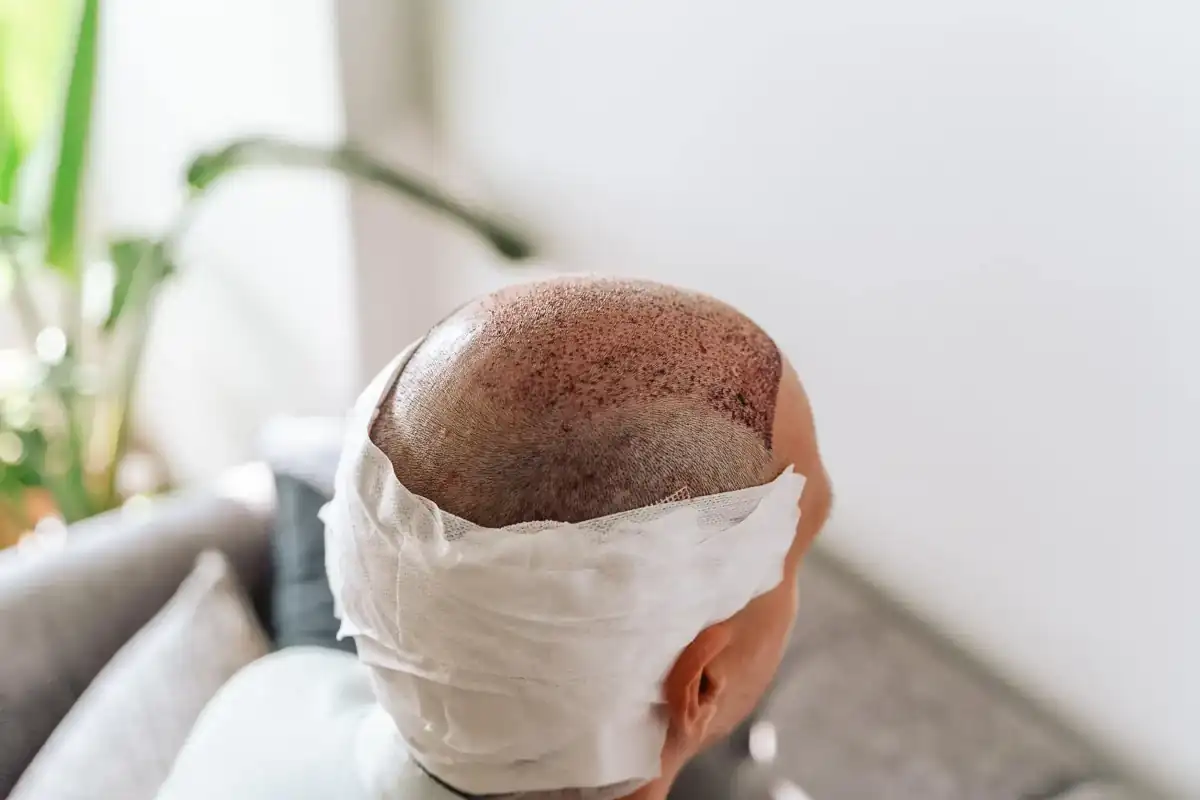
Day 1–10 — critical days & healing

Month 1–12 — growth & final result

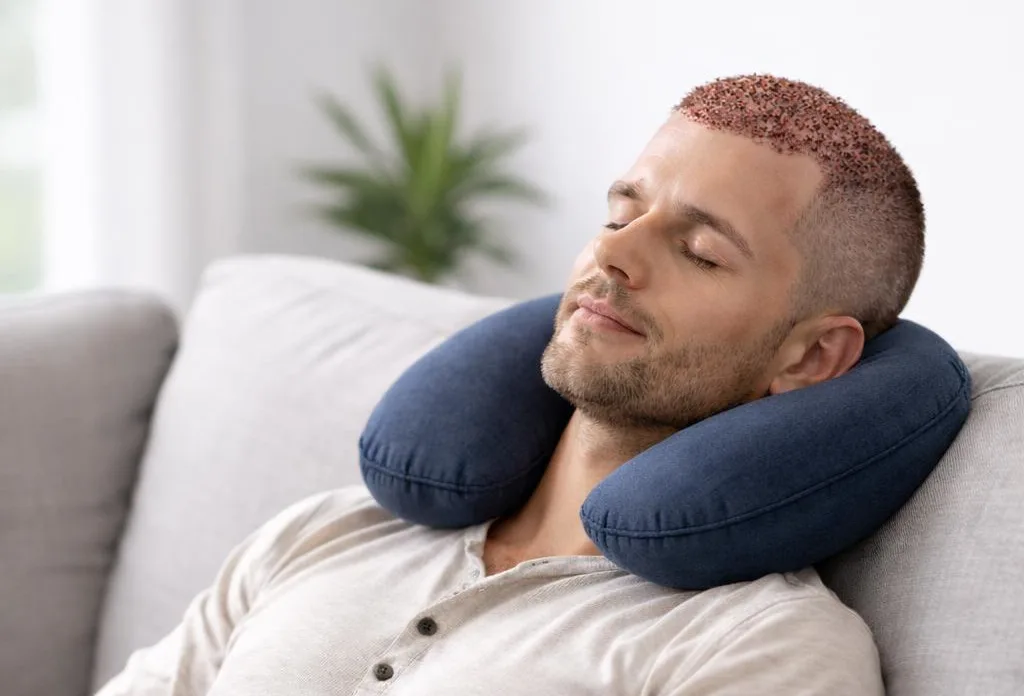
  • The first days are most sensitive to friction, pressure and sweat. Sleep semi-upright with a neck pillow, avoid bending forward forcefully and do not touch the area unnecessarily.

    Remove the dressing on day 2 according to instructions so the donor area can get air. Contact us for unexpected pain, heavy bleeding or signs of infection.

Exercise, sun & lifestyle

StoppAvoid / high risk for grafts or skinVarsamhetBe careful or partly OKOkej enligt planOK according to plan
Heavy training / gym

Heavy training / gym

Avoid heavy training during the first month; return according to your individual plan.

Stopp
Day 1–10
Stopp
Month 1
Okej enligt plan
After that
Pool, swimming & sauna

Pool, swimming & sauna

Avoid swimming and sauna for a longer period; follow the timings in your material.

Stopp
Day 1–10
Stopp
Month 1
Varsamhet
After that
Direct sunlight on grafts

Direct sunlight on grafts

Use shade/cap; avoid burning the scalp during the first year.

Stopp
Day 1–10
Varsamhet
Month 1
Varsamhet
After that
Cap / hat

Cap / hat

Often OK from around day 10. Avoid tight pressure before then.

Varsamhet
Day 1–10
Okej enligt plan
Month 1
Okej enligt plan
After that
Alcohol

Alcohol

Avoid alcohol in the early healing phase and follow your individual plan.

Stopp
Day 1–10
Varsamhet
Month 1
Okej enligt plan
After that
Smoking

Smoking

Smoking reduces oxygenation and healing; avoid smoking as much as possible throughout the entire first year.

Stopp
Day 1–10
Stopp
Month 1
Stopp
After that

Washing after hair transplant: video and checklist

The first washes often feel the most nerve-racking. Follow the clinic products and order: lukewarm water, soft movements and a calm pace along the graft line.

The goal is a gentle, predictable routine: good hygiene without disturbing the new follicles. If unsure, pause and contact us.

In the video, Simon Näckborn, responsible for hair transplants at Akacia Medical, walks through every aftercare step and medication.

Checklist: first washes at home

  1. Prepare

    Wash your hands. Have the clinic shampoo and lotion ready.

  2. Gentle wash

    Massage according to the video. Do not pull off scabs.

  3. Rinse & dry

    Lukewarm water; let the hair air dry.

  4. Repeat

    Repeat daily until day 10 unless told otherwise.

Sleep at ~45° with a neck pillow — protect the grafts

Pressure on the recipient area during the first nights can affect how the grafts attach, which is why a semi-upright position and support matter.

We recommend sleeping in a semi-upright position, preferably with a neck pillow, for the first 10 days. This helps ensure the follicles are fully attached before the transplanted area touches a pillow or headboard.

Patient with neck pillow in recommended sleep position after hair transplant
An elevated head position and neck pillow reduce pressure on the operated area.

Managing side effects: swelling, redness and itching

Mild swelling around the eyes or forehead, redness and temporary itching can occur and are usually mild and temporary.

Avoid scratching with your nails. Follow your hygiene plan and contact us if you develop severe pain, fever, spreading redness or symptoms that do not match your information leaflet.

Knowing what is normal reduces stress, and we can give quick guidance when something differs from expectations.

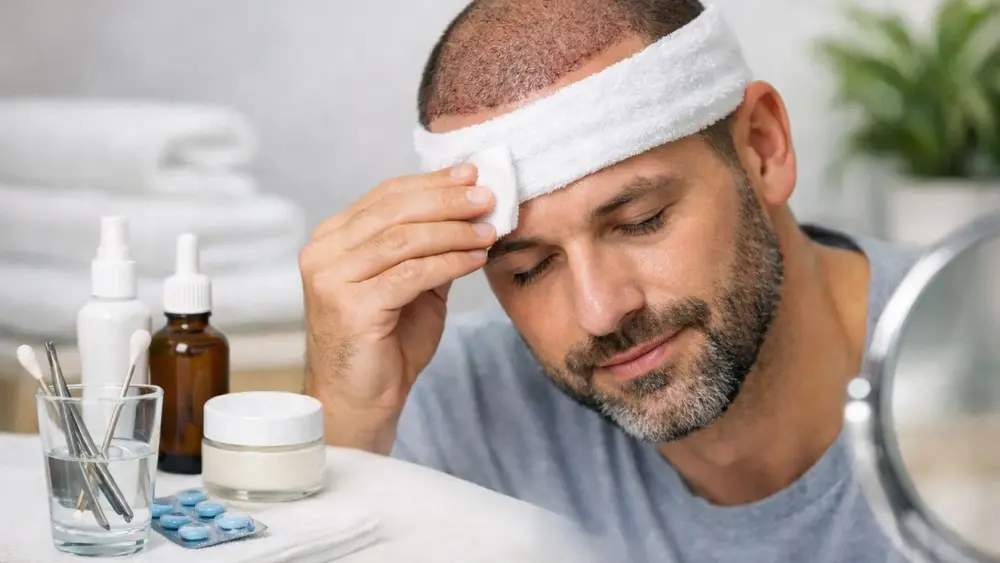
Akacia Medical aftercare kit

What you need to take home, supplemented by pharmacy prescriptions when needed.

Shampoo

Tailored cleansing according to the instructions you receive.

Lotion

Gentle care for donor and recipient areas.

Neck pillow

Support for semi-upright sleep during the first days.

Prescription if needed

Individually prescribed medicines are collected at the pharmacy.

Recovery Booster

Recovery Booster: OxyHelp

Want to optimize recovery even further? OxyHelp (HBOT) is a hyperbaric oxygen therapy that may support healing after a hair transplant — with focus on oxygenation, swelling and a safe recovery.

OxyHelp HBOT chamber for recovery after hair transplant

Common questions about aftercare and healing

When does itching stop after a hair transplant?+

Mild itching during healing and small scabs is common in the first weeks and usually eases as the skin recovers and scabs shed. Contact the clinic for intense or persistent itching, rash or suspected infection.

When will I see results from my hair transplant?+

You may notice early signs of growth after a few months, but mature assessment is often done around 12 months when density and hairline stabilize. Your doctor follows your individual progress.

When can I start exercising?+

Avoid exercise and heavy physical activity for the first month. Lighter activities can sometimes be resumed earlier — follow your personal plan and contact us if you’re unsure.

How should I sleep after a hair transplant?+

For the first days we recommend sleeping semi-upright with a neck pillow to reduce swelling and avoid pressure on the recipient area. After day 10 you can usually sleep normally again if healing has been uncomplicated.

When can I start washing my hair?+

You usually start washing gently 3 days after surgery with lotion and shampoo provided by us. Washing is done daily up to day 10 according to instructions.

When can I wear a hat or cap?+

After around 10 days it is usually fine to wear headwear and touch the transplanted area without worry.

Why am I losing hair after a hair transplant (shock loss)?+

Temporary shedding in or around the treated areas occurs for some patients and is often called shock loss. It is usually temporary; new growth may appear later in the process. Contact us if you are worried or if the pattern differs from what was described.

Why does my scalp itch after the procedure?+

Mild itching can be part of healing and small scabs. Avoid scratching with nails; follow the washing routine. For intense itching, rash or suspected allergy — contact the clinic.

Is swelling around the forehead or eyes normal?+

Mild to moderate swelling in the first days can occur and is usually harmless. Sleeping semi-upright and following fluid/medication advice may help. For severe or rapidly worsening swelling — call us.

When will I see the final result after a hair transplant?+

Permanent growth is often assessed around 12 months, although change can be visible earlier during the year. Your individual plan and follow-up determines when we compare before/after.

Contact: treated patients and new bookings

If you have had your procedure with us and develop acute symptoms that worry you, call the clinic. If you want to book a new appointment or consultation, use the usual contact routes.

After surgery — urgent questions

If you notice symptoms you do not recognize from the information material, call us and we will guide you further or book a check-up.

08-53 33 00 02

Book a consultation or follow-up

Plan a follow-up, ask planning questions or book your first consultation. Choose what suits you best.

Contact us

Related information

Explore more about our treatments and services

Ask our specialists your question

We will get back to you as soon as we can.