What can PRP for the face help with?
PRP for the face is a way to revive the skin by stimulating the body’s own repair processes. The goal is not to change your face, but to improve skin quality, radiance and firmness in a natural way.
Many choose the treatment when the skin feels tired, less elastic or drier than before. The goal is fresher, more even skin with more natural vitality.
When can PRP for the face be a good option?
PRP may be relevant if you recognise any of the following:
- •Trött eller slapp hud
- •Dålig eller torr hudton
- •Ålderstecken i huden som veck, rynkor eller minskad densitet
How does PRP work?
The blood contains thrombocytes, or platelets, together with red and white blood cells as well as plasma. Platelets contain proteins that act as growth factors for the body’s cells and tissues.
When the platelet concentrate and plasma are injected into the skin, the platelets are activated when they come into contact with the tissue. Growth factors are then released, stimulating cell renewal, collagen formation and tissue rebuilding. Blood circulation in the area also increases, which improves oxygenation and nutrient supply.
Consultation and treatment
During the consultation we review the treatment carefully and look at your medical history, your current health and whether you use medication or supplements. Based on the doctor’s assessment, we decide whether PRP for the face is suitable for you and what results may be realistic.
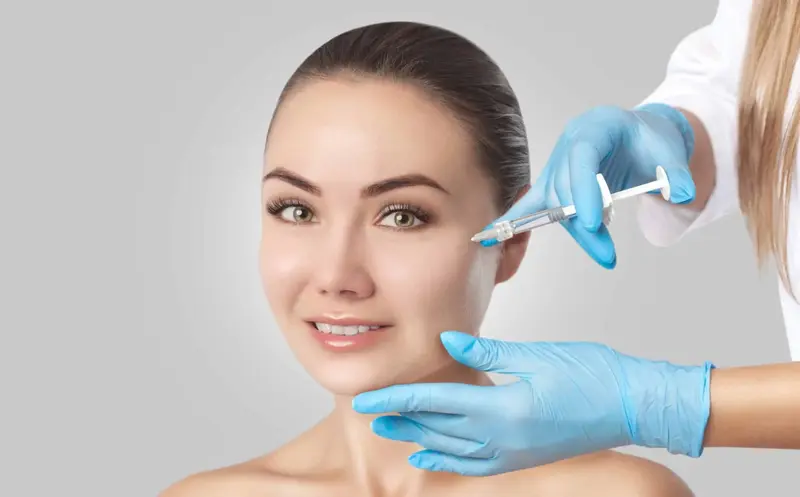
The treatment itself starts with a standard blood sample. The plasma and platelets are then separated by centrifugation and transferred to sterile tubes where they are activated. The finished PRP solution is then injected into the skin with fine needles.
It is common to feel slightly tender in the area afterwards. Treatment time varies from about 30 to 90 minutes depending on the extent of the treatment.
The result of your PRP facial treatment
The goal of the treatment is visibly fresher skin with improved elasticity, a more even skin structure and fewer fine lines. How effective the treatment is for you depends, among other things, on your health status, age, diet, smoking and skin type.
For the best result, a series of treatments is often recommended. Usually the first three are done about one month apart, followed by maintenance treatment when needed, often at least once per year.
Mild redness, slight swelling and small bruises at the injection sites are common after the treatment. These usually disappear within a few days.
If you also want to read about our PRP treatment for hair you can find more information on that page.
When should PRP be avoided?
People with the following conditions should not be treated with PRP without a clear medical assessment:
- •SLE
- •Porfyri
- •Allergi
- •Cancer
- •Blodsjukdomar
- •Svåra metabola eller systemiska sjukdomar
- •Blödarsjuka
- •Misstanke om sepsis
Do you want to know if PRP for the face is right for you?
Book a consultation and we will go through your skin condition, the treatment plan and what you can realistically expect from PRP for the face.