Hair loss caused by stress and telogen effluvium
Hair loss caused by stress is a common and well-known consequence of chronic or acute stress. The condition is often called telogen effluvium and can affect both men and women.
It is often characterised by thinning hair across the whole scalp rather than a clear pattern of a receding hairline or distinct bald patches. For most people the condition is temporary, but it can still feel sudden and alarming.
Causes of stress-related hair loss
Hair loss caused by stress is often triggered by different stress factors, either acute stress such as shock, trauma or serious illness, or chronic stress from long-term strain such as work-related stress, relationship problems or financial worries.
Stress can lead to an imbalance in the body's hormones, particularly cortisol, which can negatively affect the hair follicles and push more hairs out of the active growth phase too early.
What does telogen effluvium mean?
In telogen effluvium, the hair moves from the active growth phase, the anagen phase, into the resting phase, the telogen phase, earlier than normal. As a result, more hairs than usual are shed at roughly the same time.
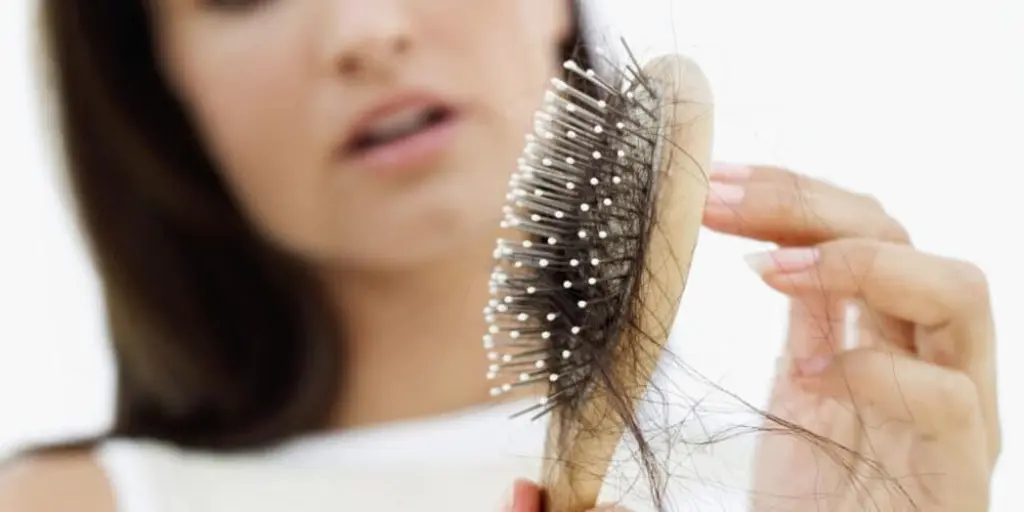
That is why many people notice that the hair suddenly feels thinner in the shower, when brushing or on the pillow.
Common symptoms
The most common symptoms of stress-related hair loss include sudden and extensive shedding, often across the entire scalp. The hair may come out in larger amounts during brushing, washing or when you run your hand through it.
Unlike some other conditions, hair loss caused by stress is usually temporary and often improves once the underlying stress decreases.
Treatment of stress-related hair loss
The most effective way to manage hair loss caused by stress is to address the underlying stress itself. This may involve seeking support from a therapist, using relaxation techniques or making lifestyle changes to reduce stress levels.
For some people, supplements or medicines recommended by a doctor may also help speed up regrowth. If the hair loss continues or you are unsure about the cause, it is wise to book a professional assessment. Treatments · PRP (Platelet-Rich Plasma).
Recovery timeline
It usually takes a few months for the hair to start growing back after the stress has decreased. It is important to be patient, because this is a natural process. For most people, the hair gradually recovers and regains its normal thickness and structure.
Preventive measures
To reduce the risk of hair loss caused by stress, it is important to manage and lower stress as much as possible. Regular exercise, a healthy diet and relaxation techniques such as yoga or meditation can all help keep stress levels more balanced over time.
Summary
Hair loss caused by stress is a common and usually temporary condition that can affect people exposed to different kinds of stress. The most important thing is to identify the cause, reduce the strain the body is under and give the hair time to recover.
If you want a clearer picture of what may be causing your hair loss, you can read more about hair loss symptoms or book a personal assessment with us. Contact.